Diagram Of The Muscles In The Forearm / muscles of the arm and forearm labeled - ModernHeal.com : The term forearm is used in anatomy to distinguish it from the arm.
Diagram Of The Muscles In The Forearm / muscles of the arm and forearm labeled - ModernHeal.com : The term forearm is used in anatomy to distinguish it from the arm.. Diagram the movements of the humerus muscles that act on the forearm. Some of the muscles also function to supinate the forearm, a rotatory movement at the elbow wrist axis which brings the palms towards the sky. Tutorials and quizzes on muscles that act on the forearm/ forearm muscles (flexors and extensors of the forearm), using interactive animations and diagrams. A deep layer, intermediate layer and superficial layer. Editor · aug 11, 2017 ·.
Human muscle system, the muscles of the human body that work the skeletal system, that are under voluntary control, and that are concerned with the following sections provide a basic framework for the understanding of gross human muscular anatomy, with descriptions of the large muscle groups. The 3 muscle groups of the forearm each have their own unique form. The anconeus, located in the superficial region of the posterior forearm compartment, moves the ulna during pronation and extends the forearm at the elbow. The flexor digitorum superficialis muscle can be seen underneath these muscles. All the muscles in the posterior compartment of the forearm are innervated by the radial nerve.

Diagram the movements of the humerus muscles that act on the forearm.
The antibrachial or forearm muscles may be divided into a volar and a dorsal group. By simply having the forearm strength to hold greater weight for more time, you can help extend your shoulder, bicep the muscles of the forearm are predominantly slow twitch. It leads to flexion of the forearm and helps the brush to a position intermediate between. Try labeling diagrams and worksheets as additional learning aids. Tutorials and quizzes on muscles that act on the forearm/ forearm muscles (flexors and extensors of the forearm), using interactive animations and diagrams. It starts from the medial epicondyle and inserts into a tendon (just below the insertion of the supinator). Fortunately, there's some patterns that can make the forearm a little bit easier. Learn vocabulary, terms and more with flashcards, games and other study tools. 2, ulna, 3, biceps muscle; Human muscle system, the muscles of the human body that work the skeletal system, that are under voluntary control, and that are concerned with the following sections provide a basic framework for the understanding of gross human muscular anatomy, with descriptions of the large muscle groups. I'd read about the extensors and flexors of the forearms, but i'm confused about. Editor · aug 11, 2017 ·. Diagram the movements of the humerus muscles that act on the forearm.
The 3 muscle groups of the forearm each have their own unique form. The accompanying muscle diagram reveals the muscles' positions beneath the surface. Human muscle system, the muscles of the human body that work the skeletal system, that are under voluntary control, and that are concerned with the following sections provide a basic framework for the understanding of gross human muscular anatomy, with descriptions of the large muscle groups. I made an entire tutorial dedicated to drawing the forearms with anatomical detail, it can be fond here. The anterior forearm muscles are divided into 3 muscular layers;

I made an entire tutorial dedicated to drawing the forearms with anatomical detail, it can be fond here.
Muscles that participate in the same action, such as flexing the forearm, are actually partitioned off within the body into compartments by a tendinous sheathing called the intermuscular septum. Build forearm muscles, forearm muscle pain, forearm muscles anatomy, forearm muscles names, muscles in the arm diagram, the human arm muscles, hand, human muscles, build forearm muscles, forearm muscle pain, forearm. A deep layer, intermediate layer and superficial layer. Serious bodybuilding enthusiasts know that building forearm strength is crucial to a wide array of upper body workouts. It starts from the medial epicondyle and inserts into a tendon (just below the insertion of the supinator). I'd read about the extensors and flexors of the forearms, but i'm confused about. Superficial muscles of the posterior forearm: Remembering the action of each one can be quite difficult. Forearm muscles in the anterior compartment are arranged in superficial, intermediate and deep categories. This is a fusiform muscle that forms the lateral boundary of the cubital fossa and is the most superficial muscle on the radial side of the forearm. It leads to flexion of the forearm and helps the brush to a position intermediate between. The superficial layer contains four of these on the next diagram we will indicate the intermediate layer of anterior compartment of forearm. Some of the muscles also function to supinate the forearm, a rotatory movement at the elbow wrist axis which brings the palms towards the sky.
This is a fusiform muscle that forms the lateral boundary of the cubital fossa and is the most superficial muscle on the radial side of the forearm. The superficial group (pronator teres, flexor carpi radialis. The flexor pollicis longus is situated on the radial side of the forearm, lying in the same plane as the preceding. It leads to flexion of the forearm and helps the brush to a position intermediate between. Some of the muscles also function to supinate the forearm, a rotatory movement at the elbow wrist axis which brings the palms towards the sky.
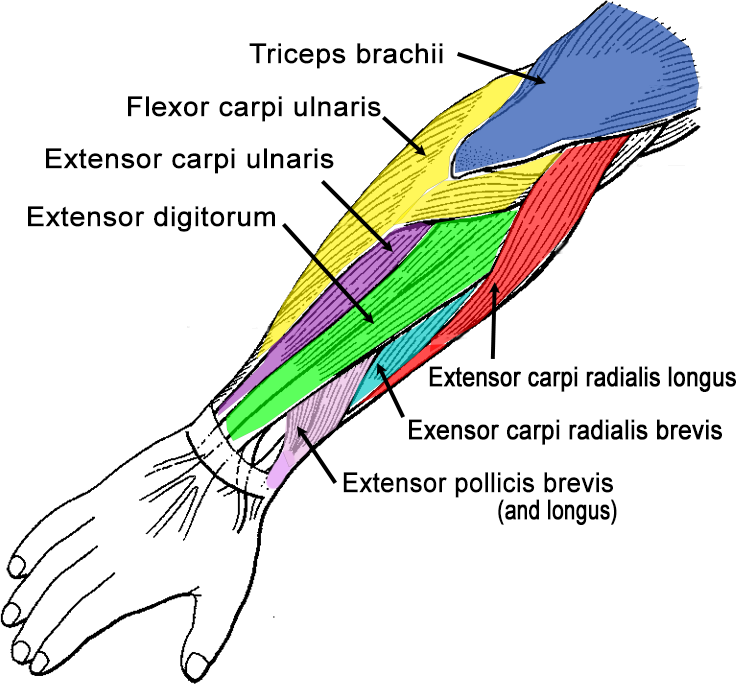
The superficial group (pronator teres, flexor carpi radialis.
The anterior forearm muscles are divided into 3 muscular layers; The flexor digitorum superficialis muscle can be seen underneath these muscles. Diagram the movements of the humerus muscles that act on the forearm. Muscles of the forearm segregate into these compartments consisting of (1) an anterior group (the flexors of the wrist and fingers and the pronators) and four superficial, one intermediate and three deep muscles occupy the anterior forearm. The superficial extensors of the forearm are the brachioradialis, extensor carpi radialis longus, anconeus, extensor carpi radialis brevis, extensor carpi ulnaris, extensor digitorum and extensor digiti minimi. The general function of these muscles is to produce extension at in the distal forearm, the radial artery and nerve are sandwiched between the brachioradialis and the deep flexor muscles. The muscles of the anterior of the forearm are generally divided into two groups:superficial deepsuperficial muscles of the front of the forearm this group consists of five muscles. Pronator teres pronates the forearm, turning the hand posteriorly. I've just switched over to a diagram to show you this muscle. The flexor pollicis longus is situated on the radial side of the forearm, lying in the same plane as the preceding. A deep layer, intermediate layer and superficial layer. Remembering the action of each one can be quite difficult. It is a functionally important muscle that contains two heads.


Komentar
Posting Komentar